
Gray Blending vs. Gray Coverage: A Guide for Mission Viejo Clients
Published by Sherlux Hair Salon —
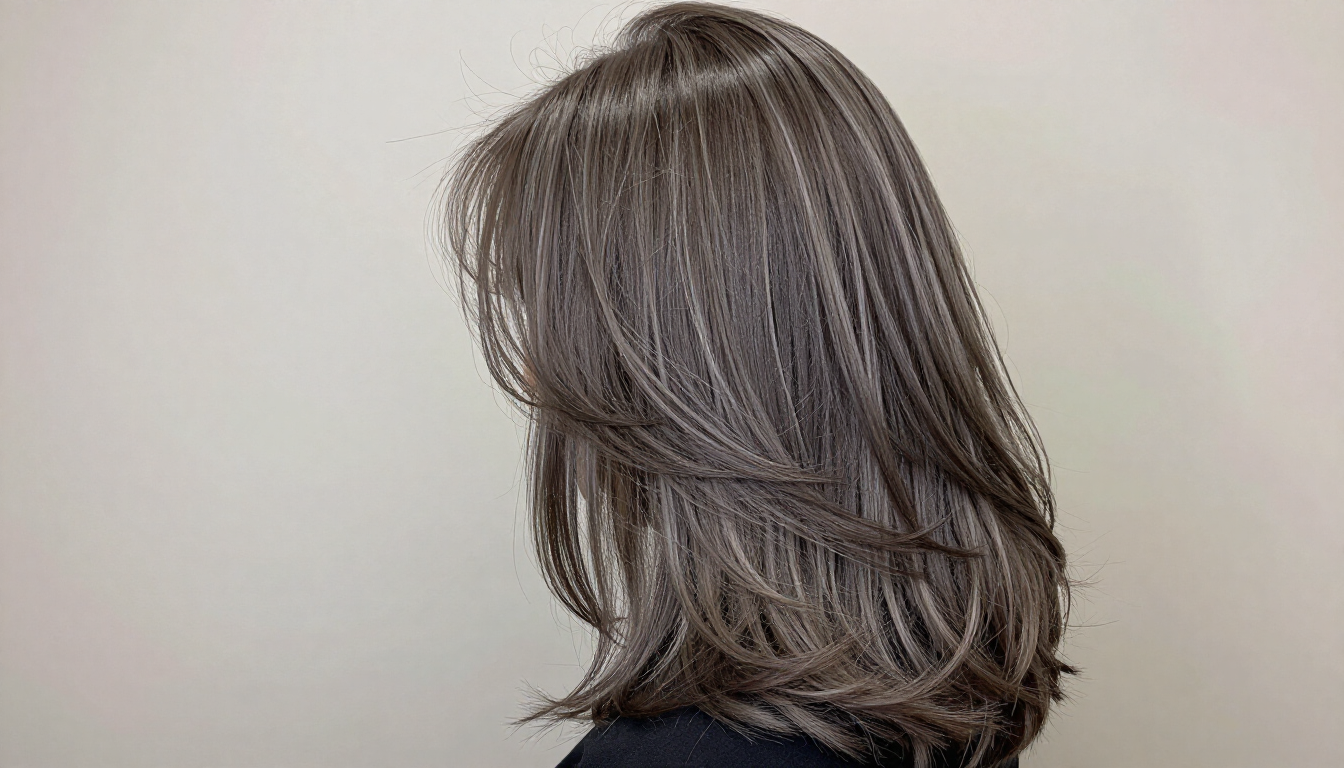
Gray blending softens the contrast between your silver strands and the rest of your hair, while gray coverage hides them completely under solid color. Blending grows out gently and usually means fewer color visits; coverage gives one even shade but shows a regrowth line sooner. If you are coming to our Lake Forest salon from Mission Viejo and wondering which one is right for you, the answer depends on how much gray you have, how you feel about seeing it, and how often you want to be in the salon chair.
What is gray blending?
Gray blending is not one single service. It is a group of color techniques that make gray look like an intentional part of your hair color instead of something to hide. Rather than painting every strand one opaque shade, your colorist works with the silver that is already there. Some gray stays visible on purpose, and that is exactly why the grow-out is so forgiving.
Highlights and babylights
Fine, light pieces are woven in close to where your gray sits, so the silver reads as brightness instead of regrowth. This approach suits lighter natural shades and gray that is scattered rather than solid. Our highlights and lowlights service is usually where a blending plan starts.
Lowlights for gray hair
When gray has taken over more of your hair, the goal often flips. Instead of adding lightness, we add darker strands back in to restore depth and keep the overall color from looking washed out. Lowlights for gray hair work especially well when you like your silver but miss the dimension you used to have.
Sheer demi-permanent color or gloss
A sheer color softens and tones gray without fully covering it. It fades gradually over several weeks, so there is no hard line as your hair grows. It will not completely hide stubborn, wiry grays, and it is not meant to.
What is full gray coverage?
Full gray coverage uses permanent color mixed specifically for gray hair, which tends to resist color more than pigmented hair does. The result is opaque and uniform: no silver shows at all. Once you have it, upkeep means a root touch-up for gray coverage each time new growth appears.
The trade-off is the regrowth line. Hair grows roughly half an inch a month on average, and new gray against solid color is easy to spot, especially along the part and hairline. As a general guide, many people who wear full coverage refresh their roots every four to six weeks. Your own timing depends on how fast your hair grows and how much contrast there is between your gray and your color.
Gray blending vs. gray coverage at a glance
- ●The look: Blending is dimensional and soft, with some silver visible. Coverage is one solid, even shade.
- ●The grow-out: Blending blurs the line between new growth and colored hair. Coverage creates a clear line as roots come in.
- ●The upkeep: Blending appointments tend to be longer but further apart. Coverage appointments are simpler but more frequent.
- ●Best for: Blending suits scattered to moderate gray and anyone easing toward their natural silver. Coverage suits anyone who wants no gray showing, at any percentage.
Which one suits you? What we ask our Mission Viejo clients
A good gray plan starts with a few plain questions. These are the ones we go through in a consultation, whether you live around the corner in El Toro or are coming in from Mission Viejo.
How much gray do you have, and where is it? A few strands at the temples call for a different plan than gray spread evenly across your whole head.
What is your natural color? Gray stands out most against dark brown and black hair, so blending on a dark base takes more strategy than it does on light brown or blonde hair.
How do you feel about seeing silver? If any visible gray bothers you, blending will not make you happy, and coverage is the better fit. Neither answer is wrong.
How often do you want to come in? Be realistic. A plan that needs a visit every month only works if your calendar allows it.
Not sure which group you fall into? Book an appointment and we will look at your hair in person before recommending anything.
Switching from full coverage to gray blending
This is a common question, and it deserves a straight answer: it is a process. Years of solid color leave a band of darker hair below your natural regrowth, and that band has to be softened step by step. A typical plan uses fine highlights to break up the line, lowlights to connect old color with new growth, and toning to keep everything looking polished along the way.
Expect it to take several appointments spread over months. The upside is that each visit should leave you with a softer line and less upkeep than the one before. If you like the idea of dimension but are new to it, our guide to balayage vs. highlights explains how the two lightening techniques differ.
Keeping blended or covered gray looking fresh
- ●Wash gently. A color-safe, sulfate-free shampoo and fewer wash days help color last.
- ●Tone when needed. Silver and lightened pieces can pick up a yellow cast. A purple shampoo used occasionally, not daily, helps keep them clear.
- ●Protect from heat and sun. Use a heat protectant before hot tools, and cover your hair during long days outdoors. Southern California sun fades color quickly.
- ●Add moisture. Gray hair often feels drier and coarser than it used to, so a regular conditioning mask makes a visible difference.
What affects time and cost
Gray color services are planned and priced for the individual, because the work varies so much from one head of hair to the next. The main factors are how much gray you have, the length and thickness of your hair, whether the plan is a single color or involves foils, and whether old color needs to be corrected first. A consultation or quote request gives you a clear plan before you commit to anything.
Gray blending FAQ
Does gray blending cover gray completely?
No. Gray blending reduces the contrast between gray and the rest of your hair, but some silver stays visible by design. If you want no gray showing at all, full coverage is the right service.
How often do you need to touch up gray roots?
It depends on how fast your hair grows and how strong the contrast is. With full coverage, many people come in every four to six weeks. With blending, the softer grow-out often lets you go noticeably longer between visits.
Are highlights or lowlights better for blending gray hair?
It depends on your starting point. Highlights help when gray is scattered through darker hair. Lowlights help when gray is dominant and you want depth back. Many blending plans use both.
Can you blend gray on dark hair?
Yes, though it takes more planning. Because the contrast is higher, very fine highlights are usually combined with a softened root so the gray melts in instead of standing out.
Book a gray blending or gray coverage consultation near Mission Viejo
Sherlux Hair Salon is at 21991 El Toro Rd, Suite 5, Lake Forest, CA 92630, a short drive from Mission Viejo. We are open Monday through Saturday, 9 AM to 6 PM, and closed Sunday. Call (949) 317-8304, book an appointment online, or get a custom quote and tell us about your gray. We will help you decide between blending, coverage, or a mix of both.
Ready to talk it through?
Book online or request a custom quote and we'll help you plan the right service.
Related services
More from the Sherlux blog
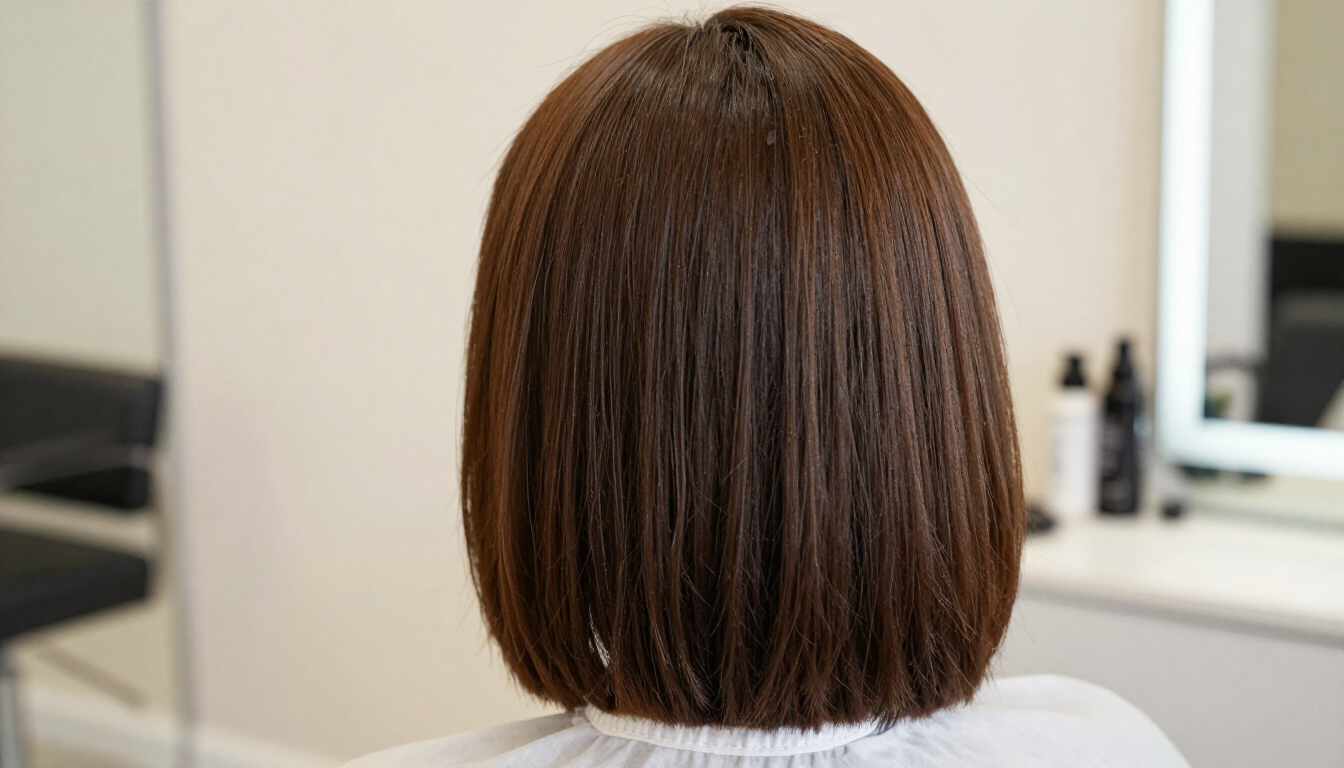
The Best Haircuts for Thin Hair: A Guide for Laguna Niguel Clients
Blunt bobs, lobs and long cuts with a solid edge make thin hair look fuller. See which cuts help and what to ask for if you are coming from Laguna Niguel.
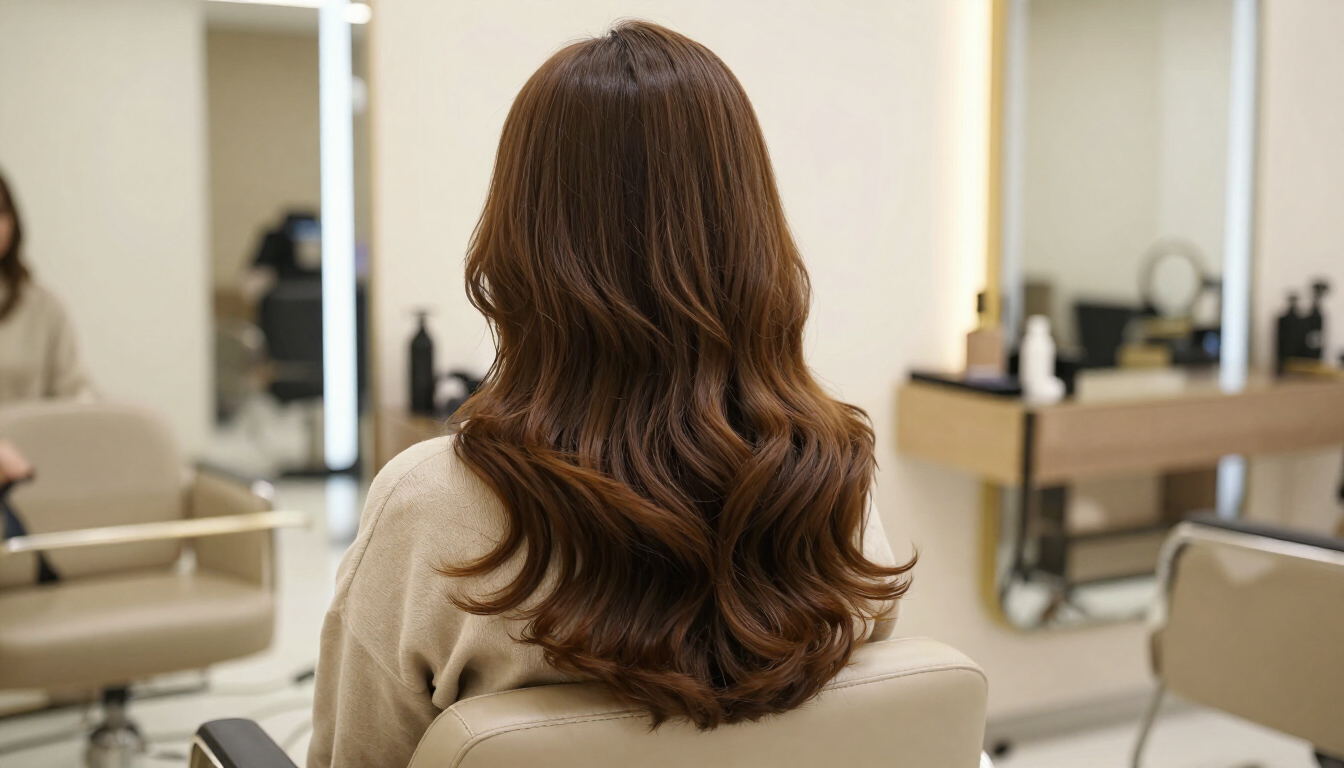
Types of Hair Extensions: A Guide for Rancho Santa Margarita Clients
Tape-ins, wefts, keratin bonds, beads and clip-ins compared. See which type of hair extensions suits your hair, with tips for clients near Rancho Santa Margarita.